Between green mountains and colorful towns, the Colombian Coffee Region — known locally as the Eje Cafetero — holds the essence of the South: hospitality, nature, and the unhurried pace of a land that measures time in sunrises scented with coffee. Declared a UNESCO World Heritage Site as the Coffee Cultural Landscape, this corner of Colombia is where culture, sustainability, and natural beauty come together in ways that stay with you long after you leave. This guide covers everything an international traveler needs: the best experiences, where to eat, how to get here, when to visit, and the practical details that matter when you're arriving from far away.
The best experiences in Colombian Coffee Region
Top Things to Do in the Colombian Coffee Region
In the Coffee Region, nature isn't just a backdrop — it's the star of every day. The mountains are awash in vibrant green, coffee plantations paint the hillsides, and bamboo groves sway in the breeze as if keeping time with the rhythm of the South. Here, beauty is not seen; it is felt. These are the experiences that define a journey to the Colombian Coffee Region.
Salento & the Cocora Valley
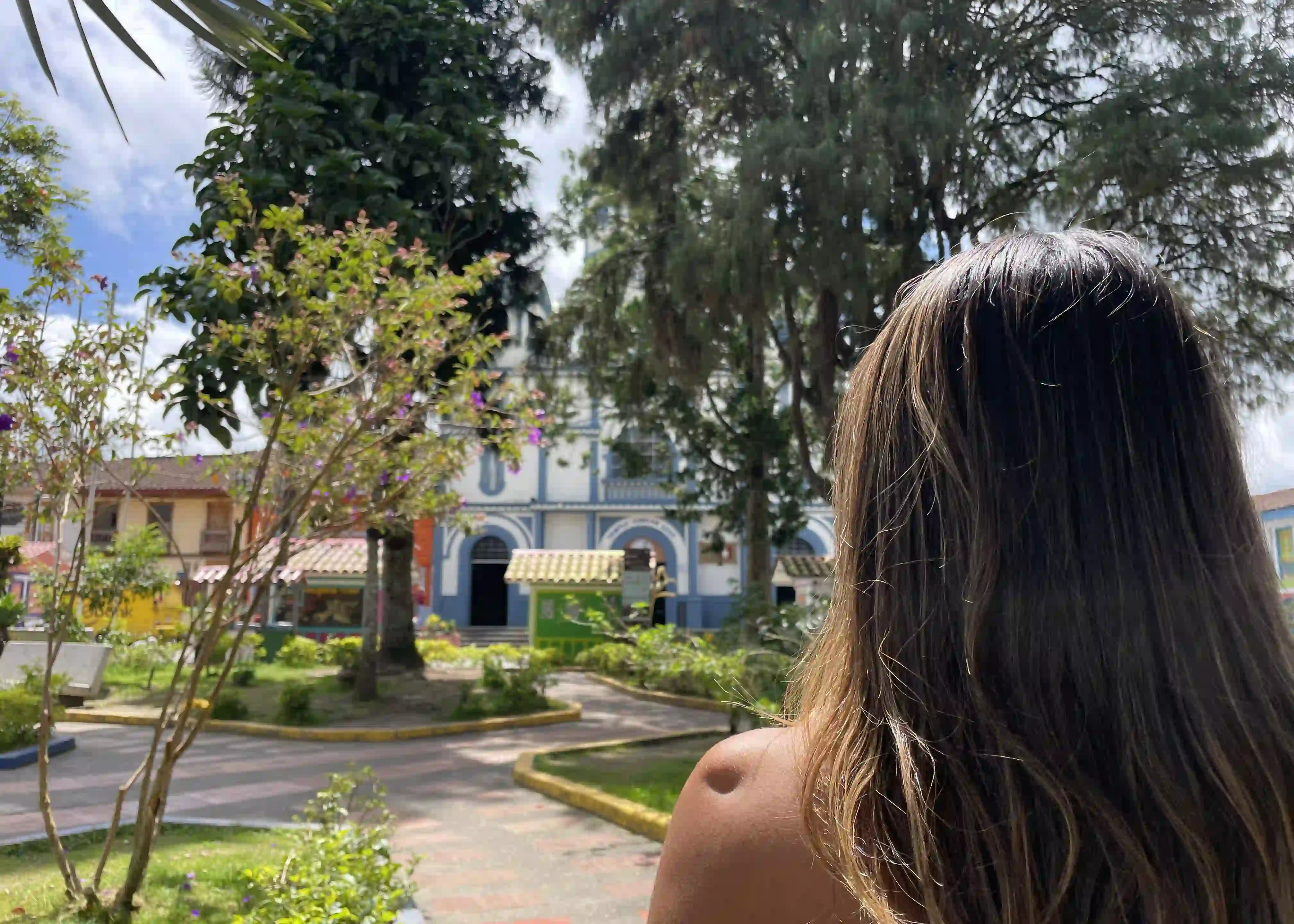
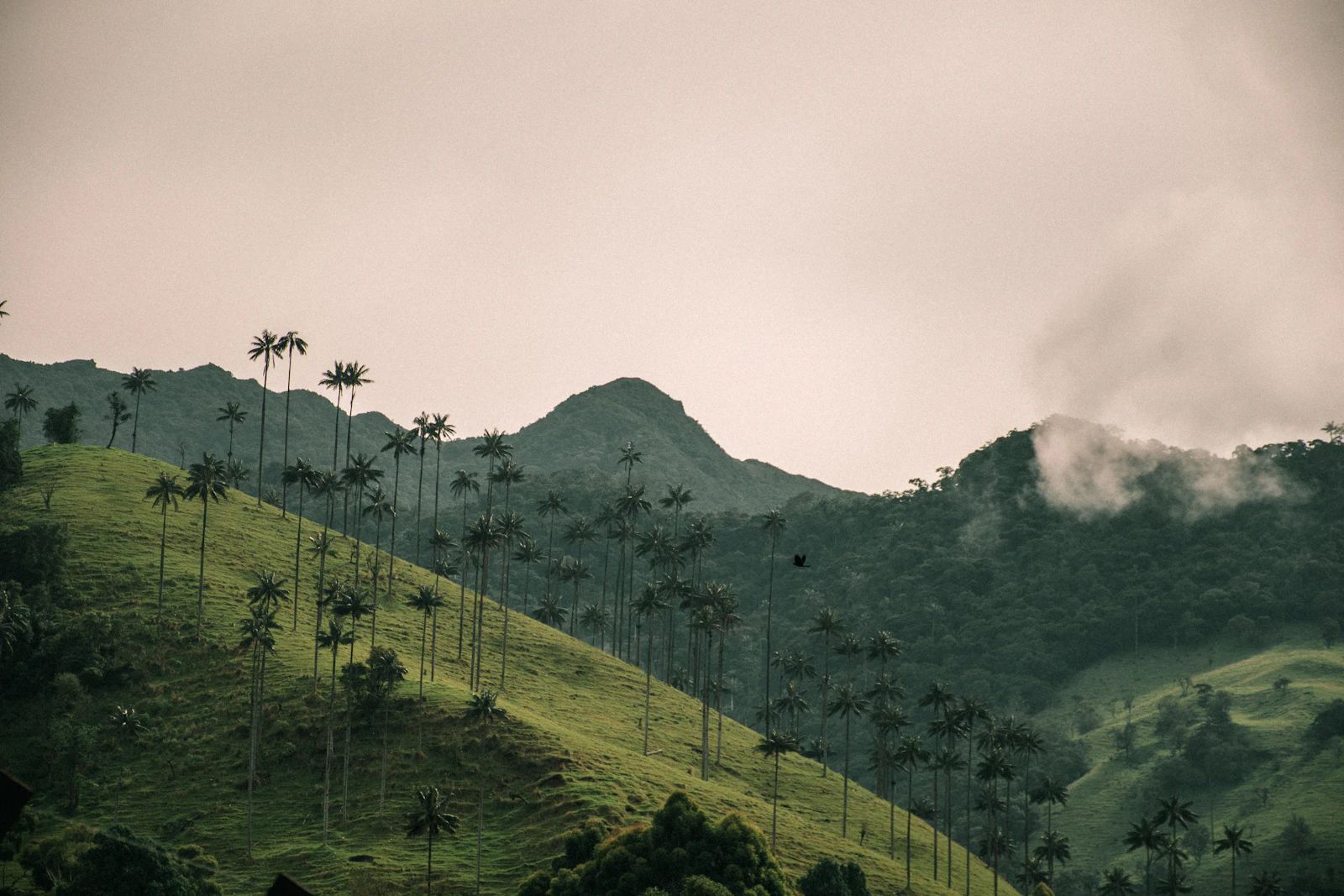
Salento is the heart of the Coffee Cultural Landscape. Famous for its cobblestone streets and brightly painted wooden houses, it preserves intact the spirit of the Antioquian colonization. Wander the main square, browse artisan stalls, and let the aroma of freshly roasted coffee drift you from corner to corner. A short jeep willys ride away, the Valle de Cocora unfolds one of South America's most iconic landscapes: palmas de cera — Colombia's national tree — rising like cathedral spires from a misty valley floor. The 4–5 hour hiking loop through the cloud forest is a bucket-list walk that rewards every muddy step.
Filandia & the Quindío Viewpoint
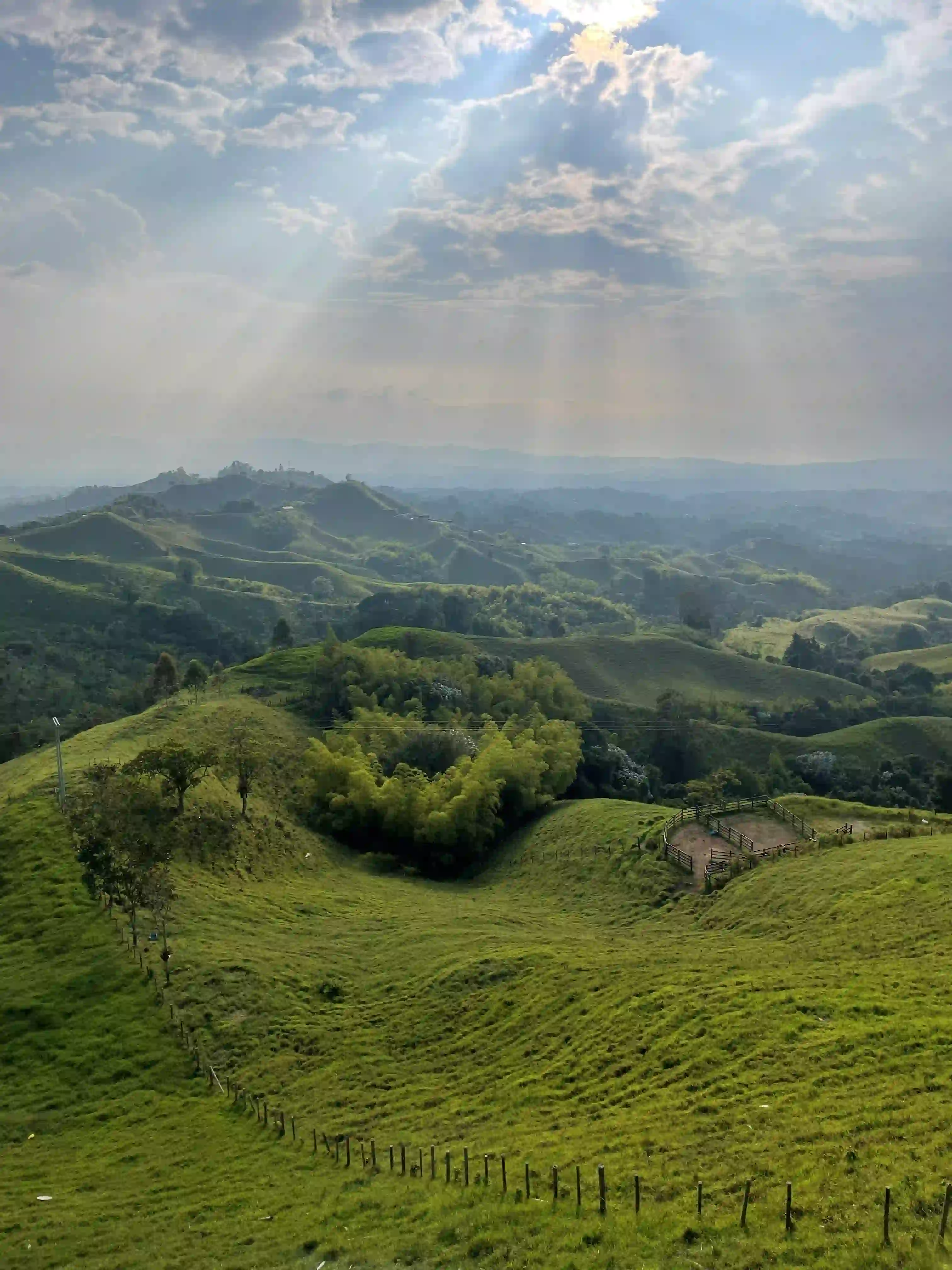
Filandia is a poem written in color. Its painted façades, flower-filled balconies, and unhurried atmosphere make it one of the most rewarding stops in the Colombian Coffee Region — and one of its best-kept secrets for international travelers. From the Quindío viewpoint, an endless panorama of mountains and coffee plantations unfolds before you, one of the most breathtaking vistas in the entire region. Artisan cafés, local gastronomy, and the warmth of its people make every visit feel like coming home. Our dedicated guide to Filandia goes deeper into what makes this town so special — and why it deserves more than a day trip.
Coffee Farm Experience
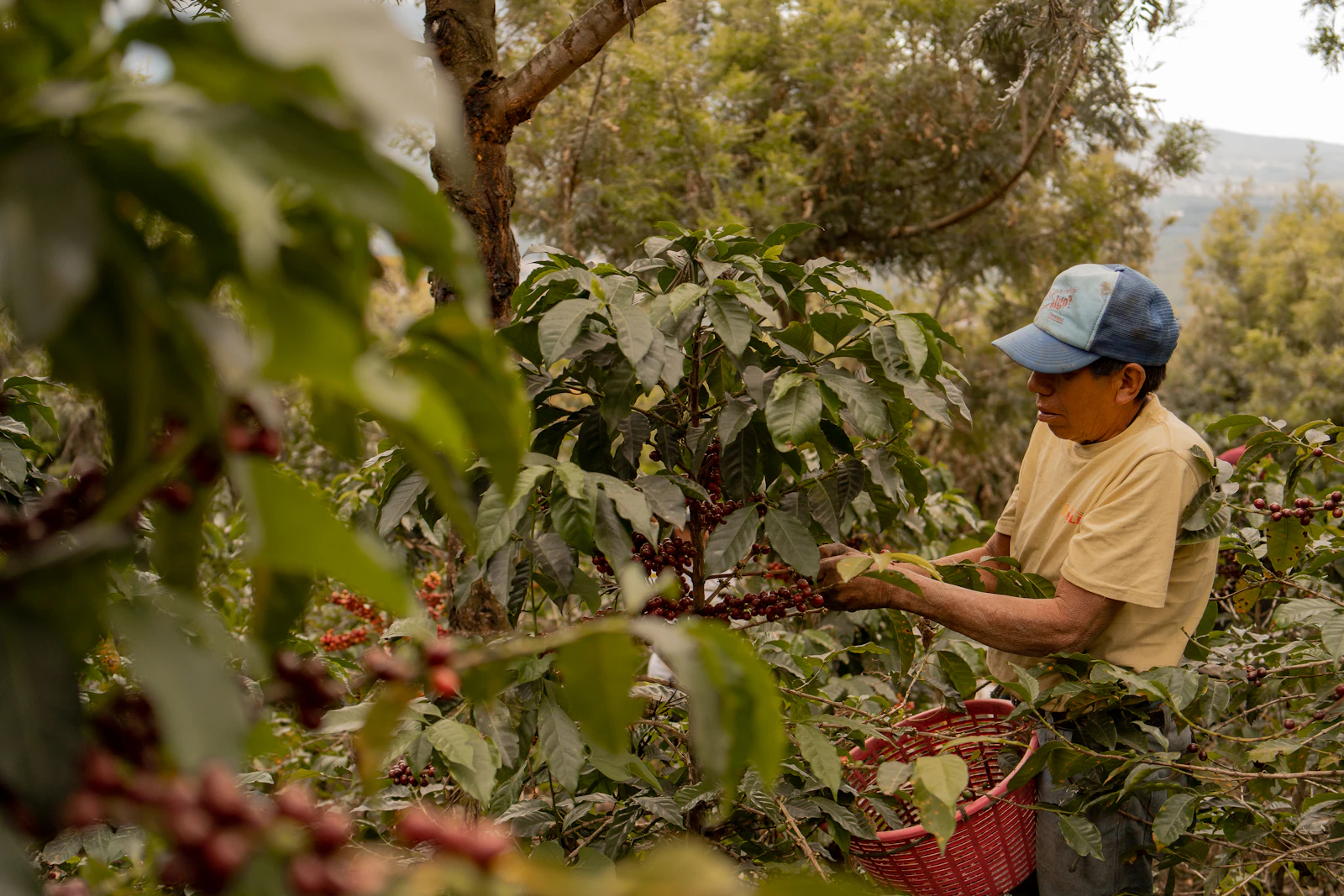
No visit to the Colombian Coffee Region is complete without stepping onto a working finca cafetera. MuchoSur's Coffee Farm Experience takes you through the full journey of the bean — from planting and picking to washing, drying, roasting, and cupping — guided by farmers who have worked this land for generations. It's not a performance; it's an authentic encounter with the people and processes that put Colombian coffee on the world map. Book it directly through MuchoSur Filandia or MuchoSur Quimbaya.
Barbas Bremen Nature Reserve & Birdwatching
Connected to the Barbas Bremen Nature Reserve, the forests surrounding MuchoSur Filandia are a sanctuary for biodiversity. More than 50 species of birds visit the property, and guided walks into the reserve offer the chance to spot howler monkeys swinging through the cloud-forest canopy. For birders, this is one of the most accessible birding spots in Colombia — no multi-day expedition required. Colors change with the light, birds cross the sky in every direction, and time becomes beautifully relative.
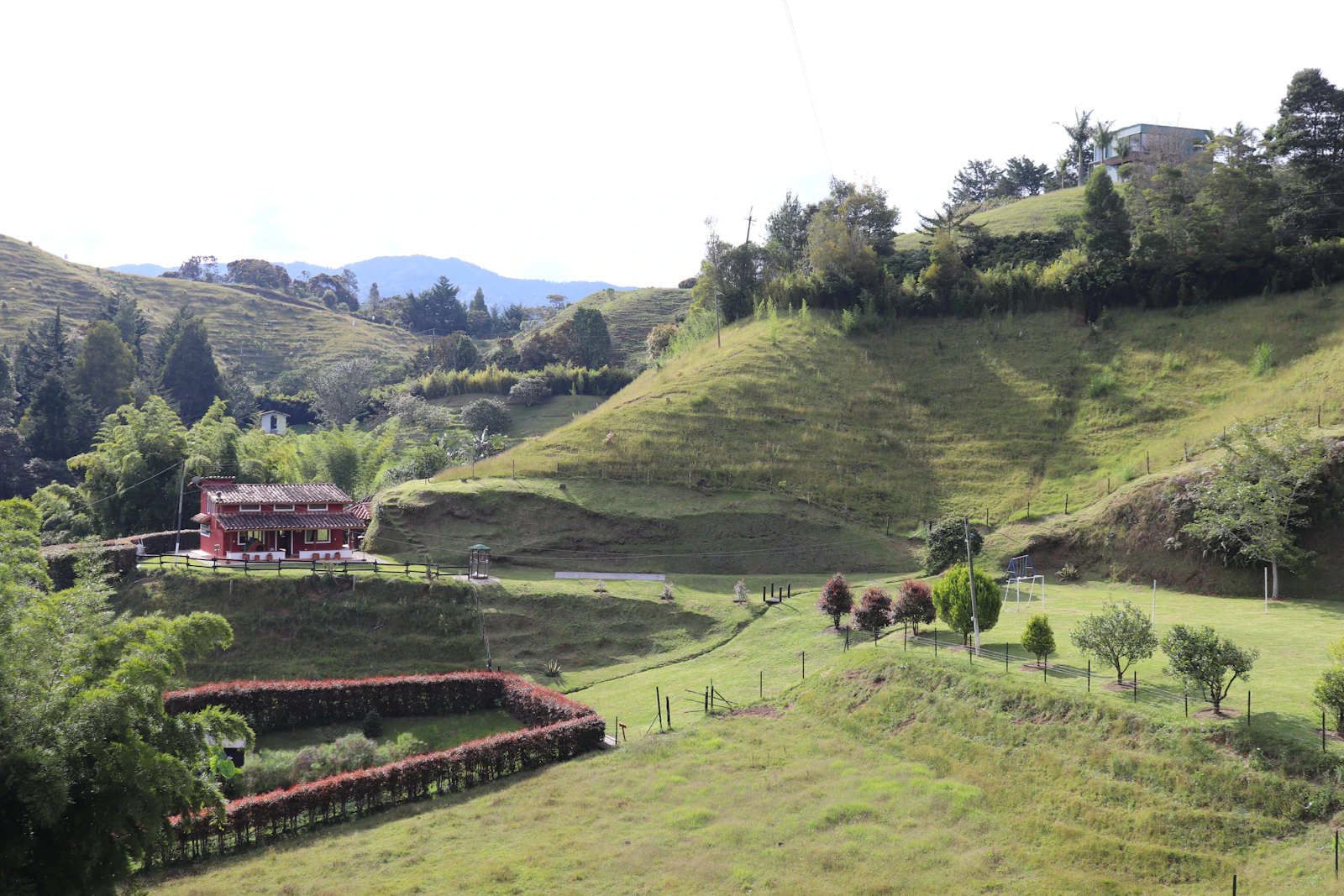
Bamboo Forest Trails & Waterfall at MuchoSur Quimbaya
MuchoSur Quimbaya — the group's first hotel and the heart of its Conscious Travel philosophy — sits on a traditional coffee farm surrounded by pristine Andean nature. Ecological trails wind through ancient bamboo groves, where the sound of wind through the reeds becomes its own kind of melody. At the end of one trail, a waterfall on the property invites you to take the plunge. There are no televisions here: the choice is made to listen to nature instead. Each sunrise brings birdsong and the aroma of freshly ground coffee.
Horseback Riding & Cycling Routes
Touring the Coffee Region on horseback is an ancestral way to know the land. Rural paths lined with coffee plantations, rivers, and bamboo groves unfold from the saddle at a tranquil, harmonious pace — local guides share stories and their deep love for the territory. Prefer two wheels? The Coffee Region's gentle rural roads and rolling slopes are ideal for cycling, where each curve reveals a different landscape and each stop brings a new aroma.
Where to eat in Colombian Coffee Region
Where to Eat in the Colombian Coffee Region
The gastronomy of the Coffee Region is a living story: each dish a chronicle, each ingredient a protagonist that deserves to be named, savored, and celebrated with awareness. Forget generic tourist menus — this is a territory of bandeja paisa, fresh river trout, plantain in every form, and coffee that tastes exactly like the mountain it came from.
MuchoSur Quimbaya — Southern Cuisine Restaurant
Surrounded by bamboo groves and coffee plantations, and frequently visited by hummingbirds, the restaurant at MuchoSur Quimbaya offers a menu of local, mindful cuisine prepared with fresh products from the region. Each dish honors farming traditions and celebrates local ingredients, offering a culinary experience that connects you with the land, culture, and history of the South. More than a place to eat, it's a place to reconnect.
MuchoSur Filandia — Southern-Inspired Restaurant
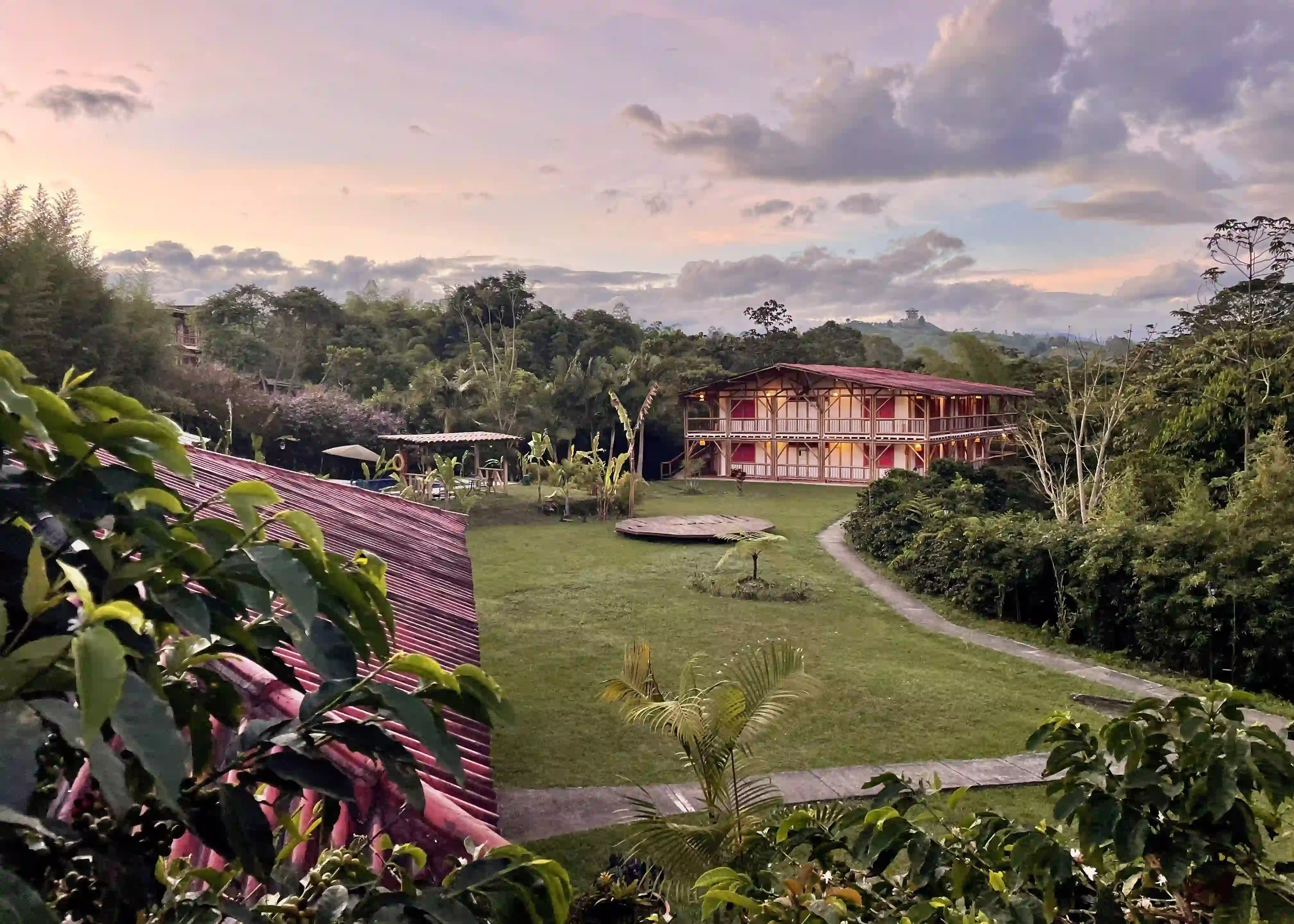
At MuchoSur Filandia, every meal is an invitation to experience the unique flavors of the South. Start your morning with a wholesome breakfast as the aroma of freshly brewed coffee and the warmth of the surrounding nature welcome the day. Later, enjoy thoughtfully crafted lunches and dinners inspired by the rich culinary traditions of southern Colombia, made with fresh local ingredients and served with breathtaking mountain views. Whether you're fueling up for a day of exploration or unwinding as the sun sets over the landscape, every bite is part of the experience.
Artisan Cafés in Filandia & Salento
Both Filandia and Salento have thriving artisan coffee scenes. Look for small-batch roasters on the main squares serving single-origin Colombian specialty coffee — often from farms visible through the café window. In Salento, the aroma of freshly roasted beans drifts through cobblestone streets and invites you to slow down. These are not places to rush through; they are places to linger, taste, and connect.
Where to stay in Colombian Coffee Region
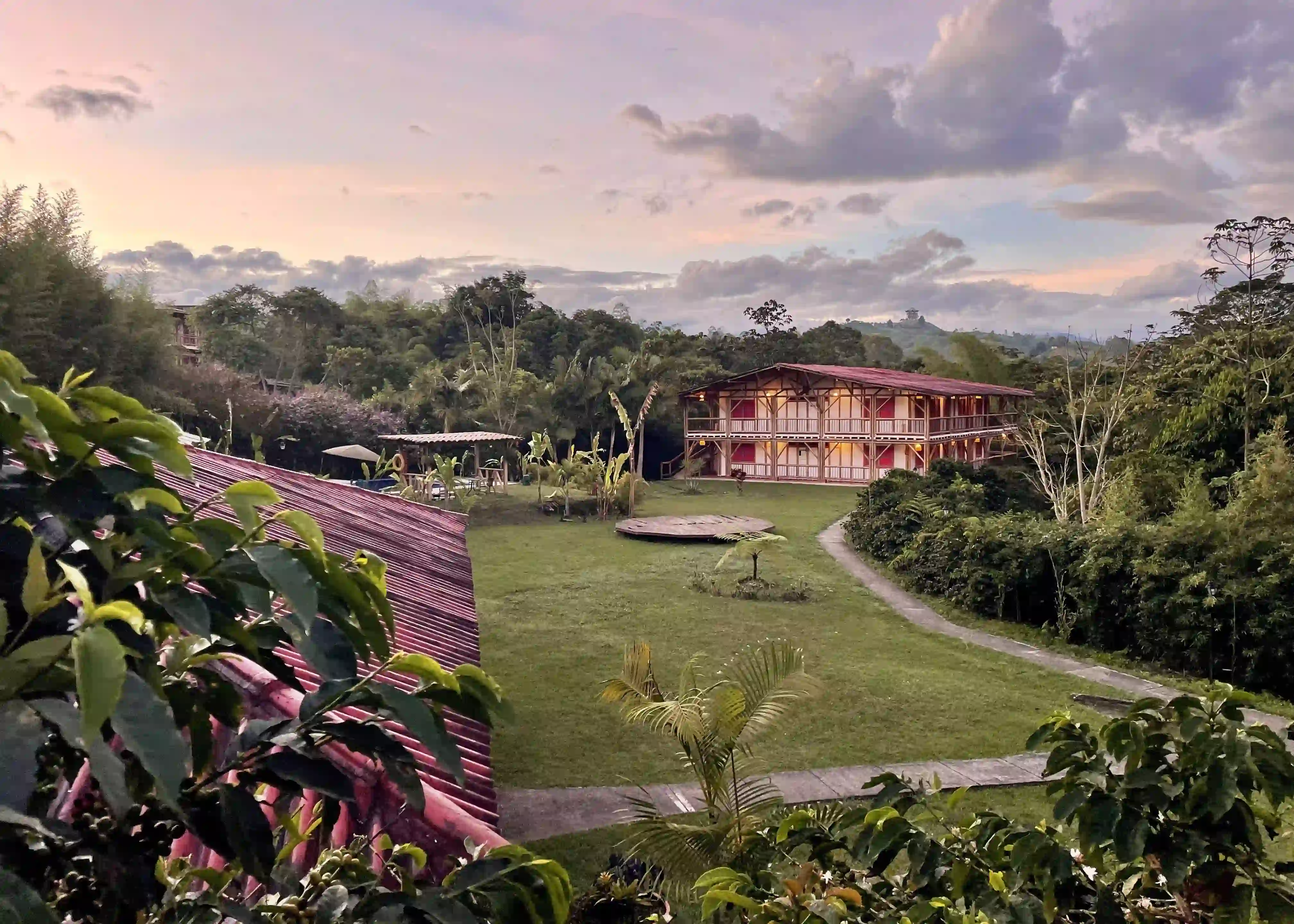
MuchoSur Filandia
A Nature Lodge minutes from the colorful town of Filandia, nestled within the UNESCO Coffee Cultural Landscape and connected to the Barbas Bremen Nature Reserve. With 19 rooms — including options with private balconies overlooking the mountains — it offers ecological trails, a pool and jacuzzi among native trees, a Southern-inspired restaurant, a coworking space, and transformative MuchoSur Experiences: Coffee Farm, Cacao, and Barbas Bremen with howler monkeys. Here, luxury is tradition, authenticity, and the simple life of the South.
How to Get to the Colombian Coffee Region
Flying In: The Two Gateway Airports
The Colombian Coffee Region is served by two regional airports, both with domestic connections from Bogotá (El Dorado, BOG) and Medellín (José María Córdova, MDE):
- El Edén Airport (AXM) — Armenia, Quindío: The closest gateway for Filandia, Quimbaya, and Salento. From the airport, Filandia and Quimbaya are approximately 30–40 minutes by road. No direct international flights; connect through Bogotá or Medellín.
- Matecaña Airport (PEI) — Pereira, Risaralda: Slightly larger, with more frequent domestic flights. Also connects easily to the region's main destinations, roughly 45–60 minutes from Filandia and Quimbaya.
International travelers typically fly into Bogotá El Dorado (BOG) — which receives direct flights from the US, Canada, the UK, and multiple European cities — and then take a 45-minute domestic connection to Armenia or Pereira. Alternatively, the drive from Bogotá takes approximately 8–9 hours through spectacular Andean scenery, or around 4–5 hours from Medellín. If you're wondering about safety on the ground, our honest guide to traveling safely in Colombia covers everything you need to know before you arrive.
Getting Around Once You Arrive
The most flexible way to explore the region is by rental car — roads are generally in good condition and the scenery on every route rewards the drive. For day trips to Salento, the Cocora Valley, or Filandia, the classic jeep willys shared taxis are a cultural experience in themselves — and the most authentic way to travel between towns. MuchoSur Quimbaya also offers private transportation services and personalized tours, making it an ideal base for exploring the heart of the South without the logistics headache. Ask the team at check-in to arrange transfers or guided excursions.
Best Time to Visit the Colombian Coffee Region
The Coffee Region sits in the Colombian Andes at elevations between roughly 1,300 and 2,000 metres above sea level, giving it a mild, spring-like climate year-round — typically between 18 °C and 28 °C (64–82 °F). You won't need a heavy coat, but a light layer for evenings and a rain jacket are always wise companions.
☀️ Dry Season: December–February & June–August
These are the two main dry windows and the most popular times to visit. Skies are clearer, trails are less muddy, and the Cocora Valley wax palms emerge from the mist in full photogenic glory. December–January also coincides with the main coffee harvest season (cosecha cafetera), when the hillsides are alive with activity and coffee farm experiences are at their most vibrant. Book accommodation well in advance during these periods, especially over Christmas and New Year.
🌧️ Rainy Season: April–May & October–November
The Coffee Region receives two rainy seasons, but don't let that deter you. Rain typically falls in afternoon showers rather than all-day downpours, and the landscape turns an impossibly deep, saturated green. Waterfalls run stronger, bamboo groves feel more alive, and the region is far less crowded. Prices are lower, and the connection with the land feels more intimate. At MuchoSur, we believe the Coffee Region is beautiful in every season — because here, beauty is not seen, it is felt.
Colombian Coffee Region: Frequently Asked Questions
Is the Colombian Coffee Region safe for international tourists?
Yes. The Coffee Region — particularly the departments of Quindío and Risaralda — is widely considered one of the safest and most welcoming areas in Colombia for international visitors. Towns like Filandia, Salento, and Quimbaya have a strong culture of hospitality and receive travelers from around the world year-round. As with any destination, standard precautions apply: keep valuables secure, use reputable transportation, and follow the guidance of your accommodation team. Staying at a boutique property like MuchoSur Filandia or MuchoSur Quimbaya gives you a trusted local team on hand to advise on routes and logistics. For a thorough overview, read our honest guide to safety in Colombia.
What is the nearest international airport to the Coffee Region?
There are no direct international flights to the Coffee Region's regional airports. Most international travelers fly into Bogotá El Dorado (BOG), which receives direct flights from the US (Miami, New York, Fort Lauderdale), Canada (Toronto), the UK (London), and multiple European cities. From Bogotá, a 45-minute domestic flight connects to Armenia (AXM) or Pereira (PEI). Alternatively, Medellín's José María Córdova airport (MDE) — also well connected internationally — is approximately 4–5 hours by road from the heart of the region.
Do people speak English in the Colombian Coffee Region?
English is not widely spoken outside of tourist-oriented businesses in the main towns. In Salento, some café and hostel staff speak basic English due to high international visitor traffic. In smaller towns like Filandia and Quimbaya, Spanish is the norm. That said, the warmth and hospitality of the local people transcend language barriers. At MuchoSur Filandia and MuchoSur Quimbaya, the team is accustomed to welcoming international guests and can communicate in English to help you plan your stay and experiences.
What currency is used, and can I pay by card?
Colombia's currency is the Colombian peso (COP). Major hotels, restaurants, and tour operators in the region accept credit and debit cards (Visa and Mastercard are most widely accepted). However, smaller local restaurants, market stalls, and jeep willys transport typically require cash. ATMs are available in Armenia, Pereira, and in the main squares of Salento and Filandia, though they can run out of cash on busy weekends. Withdraw before heading into more rural areas.
How many days do I need to visit the Colombian Coffee Region?
A minimum of 3–4 nights allows you to experience the highlights without rushing: one day for Salento and the Cocora Valley, one day for Filandia and the Quindío viewpoint, one day for a coffee farm experience and bamboo forest trails, and ideally a slower day to simply breathe, swim near a waterfall, and let the landscape do its work. If you want to add Barbas Bremen, horseback riding, or deeper birdwatching, plan for 5–6 nights. The Coffee Region rewards slow travel — this is not a place to check off a list, but a place to feel.
Ready to visit Colombian Coffee Region?
Book directly with MuchoSur Filandia and get up to 35% off with DelSur Rewards. No middlemen — just the team that truly knows Colombian Coffee Region.
Check availability