Filandia is a poem of colors: painted façades, flower-filled balconies, and an atmosphere so unhurried it feels like a gift. This small Andean town in Quindío sits at the heart of the UNESCO-listed Coffee Cultural Landscape — and, remarkably, it remains one of the least-crowded gems in all of Colombia's Coffee Region. If you've been searching for the real Sur, you've just found it.
A Town Born from Coffee
Filandia was founded as part of the great colonización antioqueña — the wave of Antioquian settlers who pushed south through Colombia's Andean cordillera, clearing forests and planting coffee wherever the volcanic soil allowed. The town's name is poetic in origin: derived from the Greek philos (love) and Andes, it loosely translates as "lover of the Andes." That love is still visible in every detail. For the full story of how coffee shaped this entire region, see our Colombia Coffee Region Complete Travel Guide.
Unlike many Colombian towns that modernized rapidly, Filandia held on to its traditional bahareque architecture — the distinctive wooden-frame, clay-and-bamboo construction style that defines the Coffee Region's visual identity. Its streets preserved the charm of a community that chose authenticity over convenience, and it was precisely this integrity that helped the broader Coffee Cultural Landscape earn its UNESCO designation.
The UNESCO World Heritage Committee recognized the Coffee Cultural Landscape of Colombia — a living testament to a century and a half of coffee culture, of which Filandia is one of the most authentic expressions. The designation confirmed what locals already knew: this place is irreplaceable.
Filandia is not a museum piece — it's a living community of artisans, farmers, and families who welcome travelers with the same warmth they've always shown. The sound of music drifting from the main square, conversations under the afternoon sun, the feeling that time moves differently here — slower, more human. This is the culture of the South at its most honest.
What to See & Do in Filandia
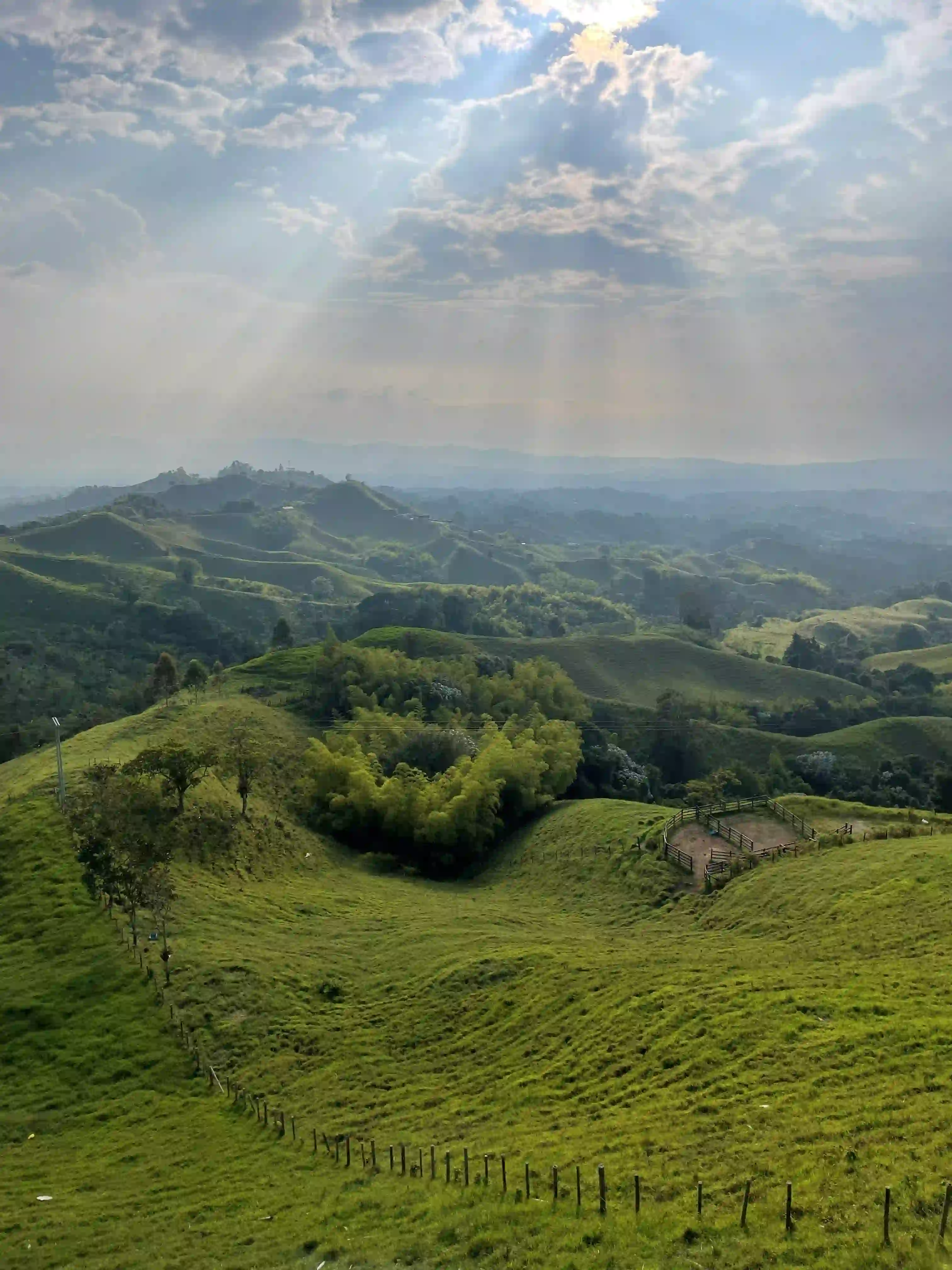
Mirador del Quindío — The View That Changes Everything
No visit to Filandia is complete without climbing to the Mirador del Quindío, the town's iconic hilltop lookout. From here, endless landscapes of mountains and coffee plantations unfold in every direction — a view that reminds you exactly why this region earned its UNESCO status. Come at sunrise for the full effect: mist rolling over the green ridges, the smell of damp earth, the first light catching the wax palms in the valleys below. It's the kind of moment that reframes the whole trip.
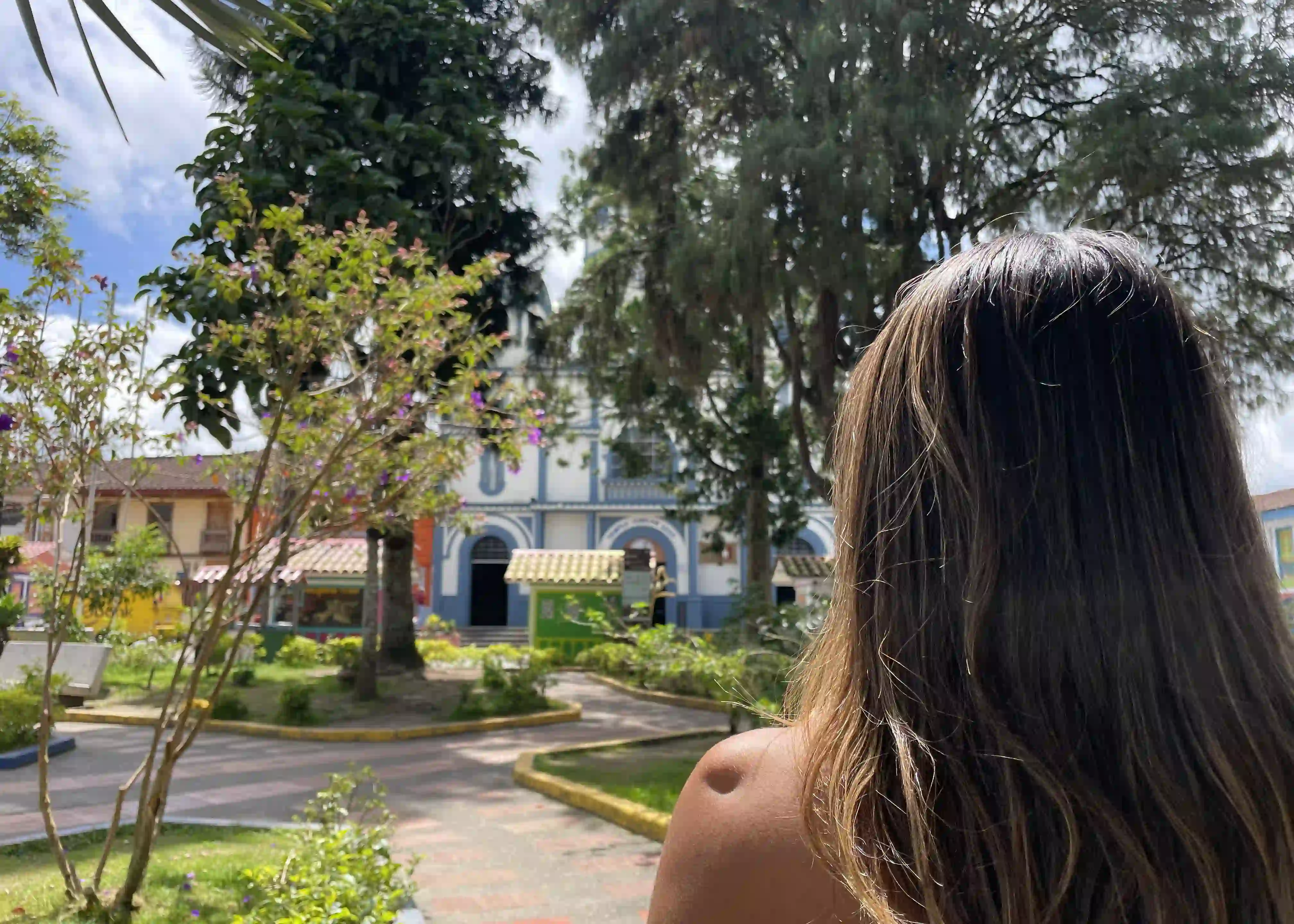
Calle Real & the Painted Balconies
Stroll along Calle Real, Filandia's main street, and let the colors do the talking. Flower-filled balconies in cobalt blue, saffron yellow, and deep terracotta line the façades of century-old bahareque buildings. This is not a set-dressed tourist corridor — these are family homes, small guesthouses, and local shops that happen to be extraordinarily beautiful. Bring your camera, but also just stop and look. The architecture of the South deserves to be experienced slowly.
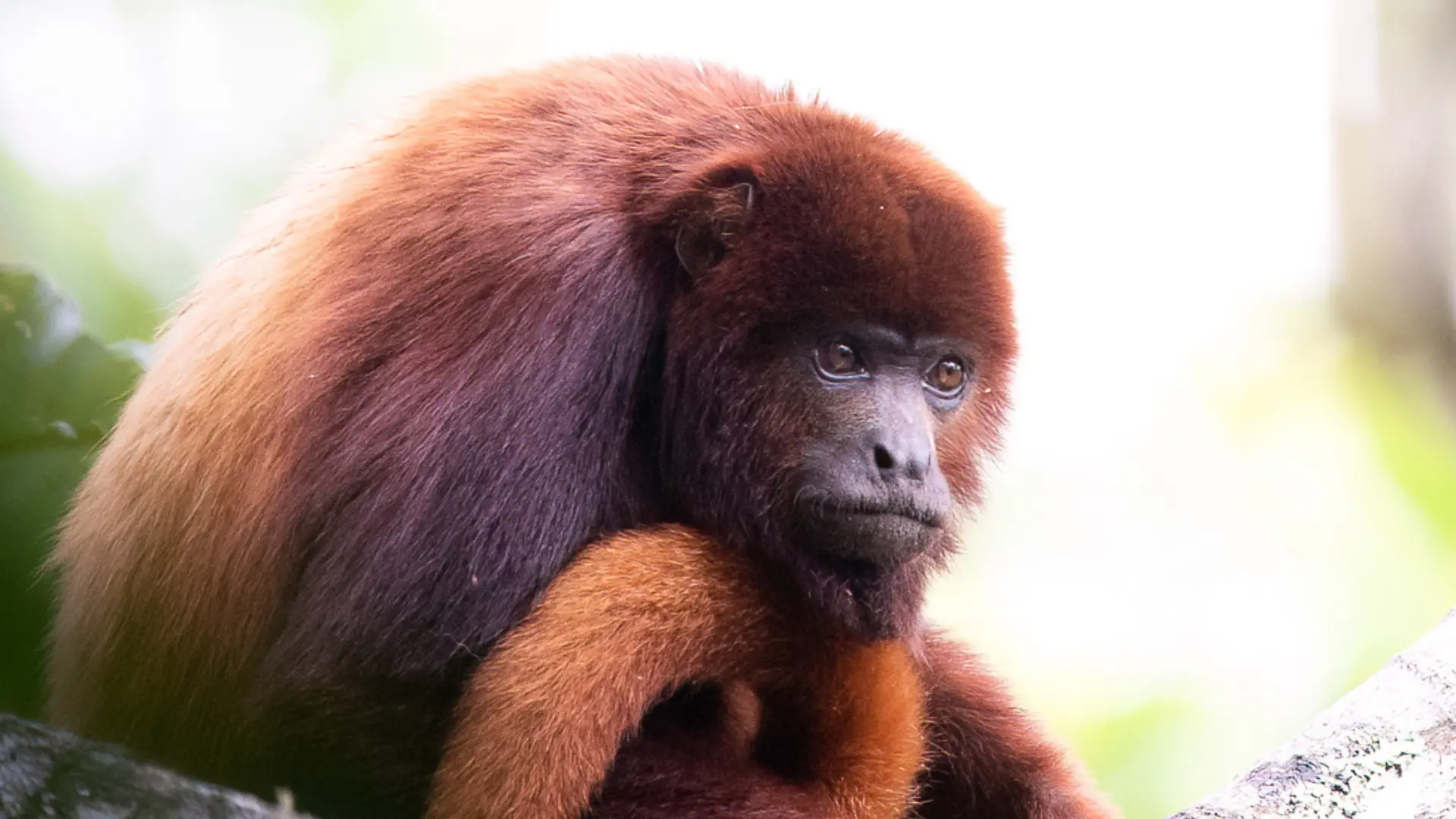
Barbas Bremen Nature Reserve
Just beyond the town's edge lies one of the Coffee Region's most biodiverse ecosystems: the Barbas Bremen Nature Reserve. This protected forest corridor is home to troops of howler monkeys, more than 50 species of birds, and a dense canopy of native trees that filters light into something almost sacred. MuchoSur Filandia is directly connected to the reserve — guests can access ecological trails right from the hotel grounds, making this one of the most immersive wildlife experiences in the Eje Cafetero.
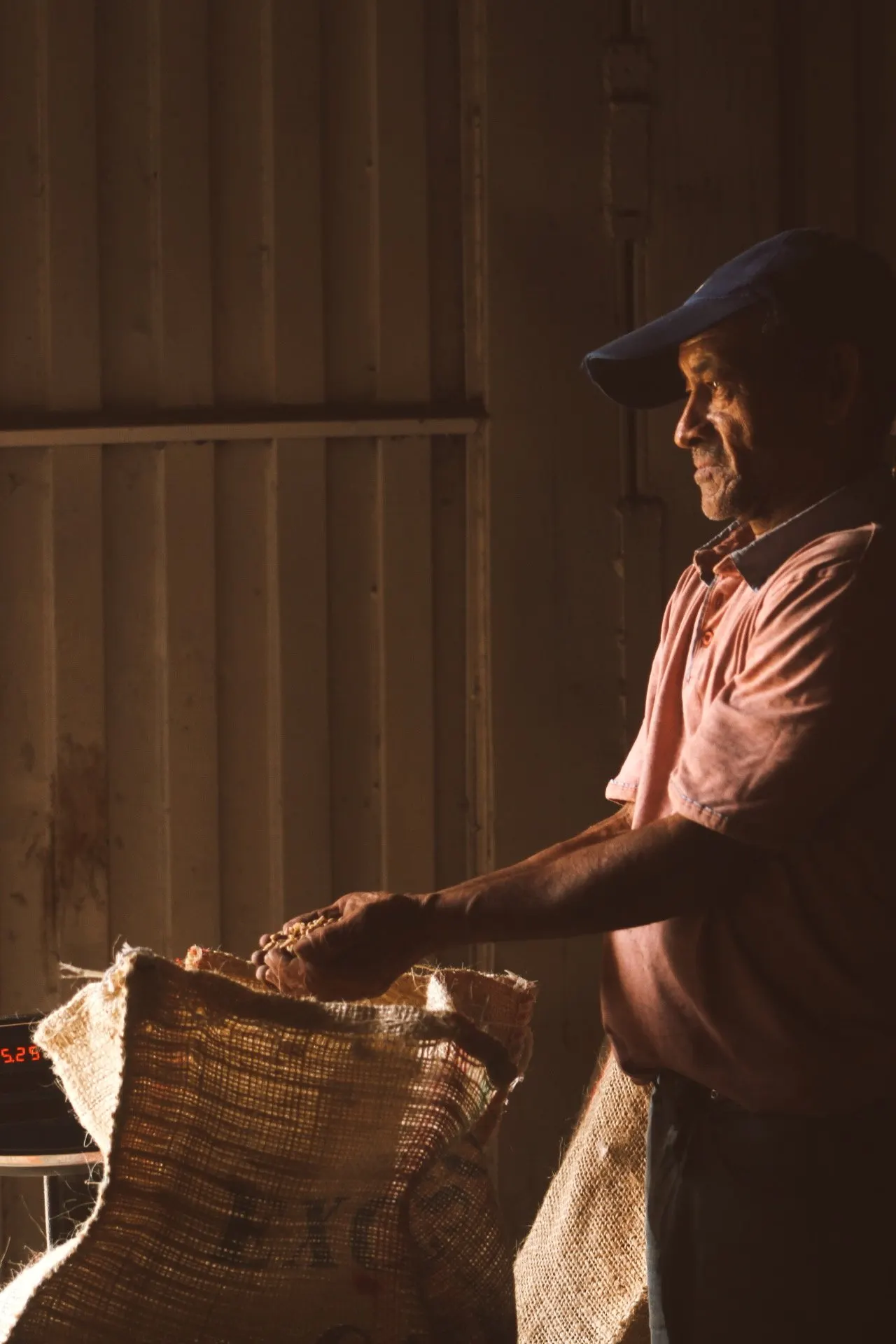
Coffee Farm Experience & Local Crafts
The Coffee Region isn't just a backdrop — it's a living classroom. Through MuchoSur's Coffee Farm Experience, you'll walk through working coffee plantations, learn to identify ripe cherries by touch, and follow the bean from tree to cup in the hands of families who've done this for generations. Back in town, Filandia's artisan scene is quietly extraordinary: wicker and natural-fiber crafts — baskets, bags, and decorative pieces — woven using techniques passed down for centuries. Pair a shopping stroll with a stop at one of the town's independent cafés, where single-origin beans are brewed with the kind of care that would impress any specialty roaster in London or New York.
Cacao Experience & Community Encounters
Prefer something sweeter? The Cacao Experience takes you deep into the chocolate-making tradition of the South — from pod to bar, guided by local producers who've cultivated cacao alongside coffee for generations. MuchoSur's experiences are not scripted tours; they are genuine exchanges between travelers and the communities that define this landscape. As the official site puts it: "Each MuchoSur Experience directly contributes to local well-being, generating employment and fostering a positive impact." Conscious Travel, in practice.
Filandia vs. Salento: Which One Is Right for You?
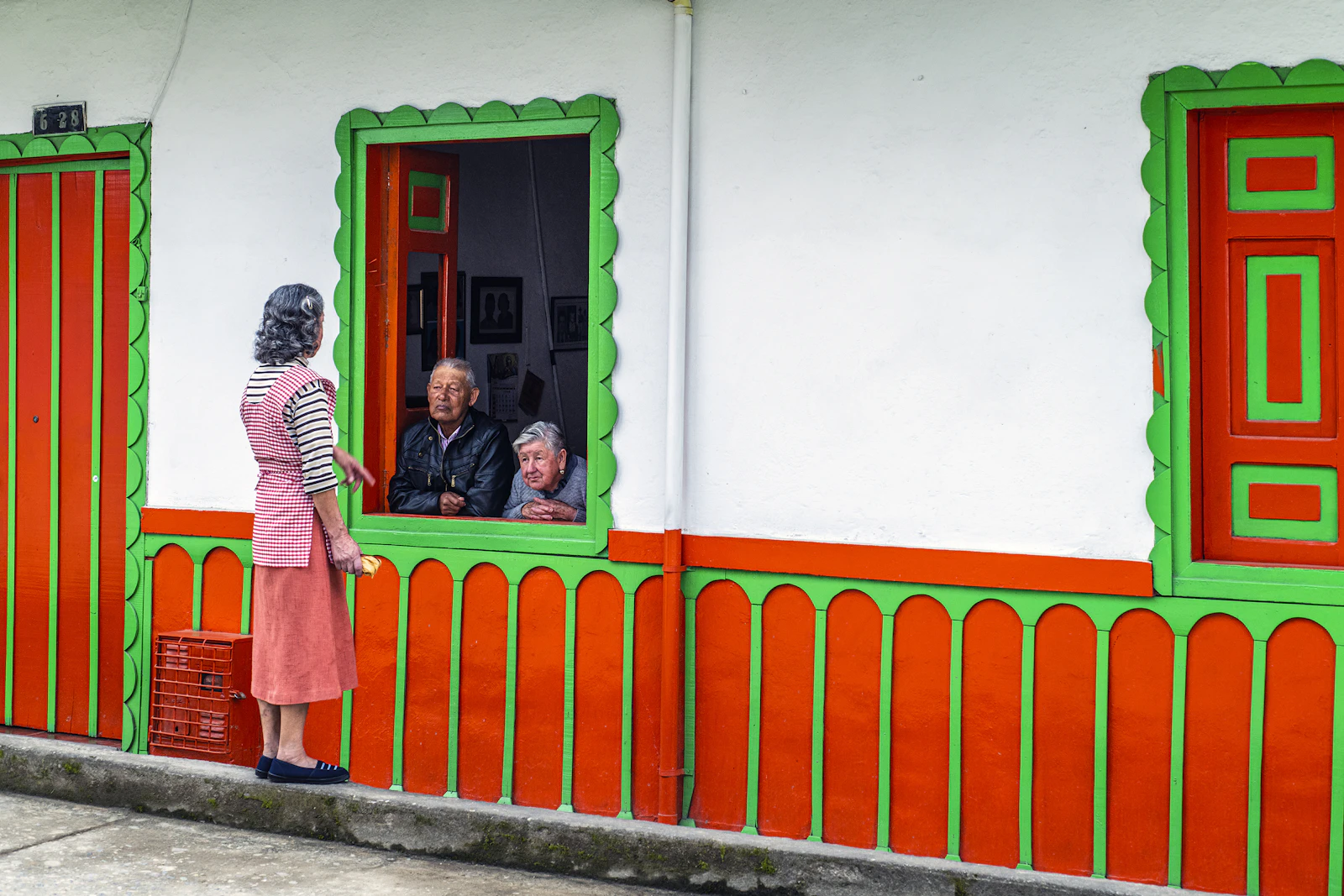
The question comes up in every Coffee Region itinerary. Both towns are beautiful, both are UNESCO-adjacent, and both deserve your time. But they offer genuinely different experiences — and understanding the difference will shape your whole trip.
| Filandia | Salento | |
|---|---|---|
| Vibe | Slow, local, poetic | Energetic, social, well-known |
| Crowds | Low — even on weekends | High — especially Dec–Jan & Jul |
| Architecture | Bahareque, original façades | Colorful wooden houses, cobblestones |
| Nature access | Barbas Bremen reserve, 50+ bird species | Cocora Valley, wax palms |
| English spoken | Limited — more authentic for it | Moderate in tourist areas |
| Best for | Conscious travelers, nature lovers, slow travel | First-time Colombia visitors, trekkers |
Our honest take: if you can only do one, Filandia rewards the traveler who wants to go deeper. If you have three or more days in the Coffee Region, do both — they're approximately 45 minutes apart by road and complement each other perfectly.
Best Time to Visit Filandia, Colombia
One of Filandia's great gifts is its climate. Sitting at 1,923 meters above sea level, the town enjoys spring-like temperatures year-round — typically between 18 and 22 °C (64–72 °F). You won't need to pack for extremes: a light layer for evenings and a rain jacket for afternoons is all it takes.
- December – February (Peak dry season): The most popular window for international visitors. Clear skies, ideal for the Mirador and Barbas Bremen hikes. Book accommodation well in advance, especially around Christmas and New Year.
- June – July (Mid-year dry season): A second sweet spot. Fewer crowds than December, lush green landscapes from the previous rains, and excellent birdwatching conditions. Arguably the best window if you want both good weather and a quieter experience.
- March – May & September – November (Rainy seasons): Afternoons bring reliable showers, but mornings are often clear and beautiful. The landscape turns an almost surreal green, rates are lower, and the town feels even more authentically local.
How to Get to Filandia from Major Airports
Getting to Filandia is straightforward once you understand the regional geography. The town sits in the department of Quindío, approximately 30–40 km from the departmental capital, Armenia.
From Bogotá (BOG)
From Medellín (MDE)
From Cali (CLO)
Practical Notes
Where to stay in Filandia, Quindío
MuchoSur Filandia
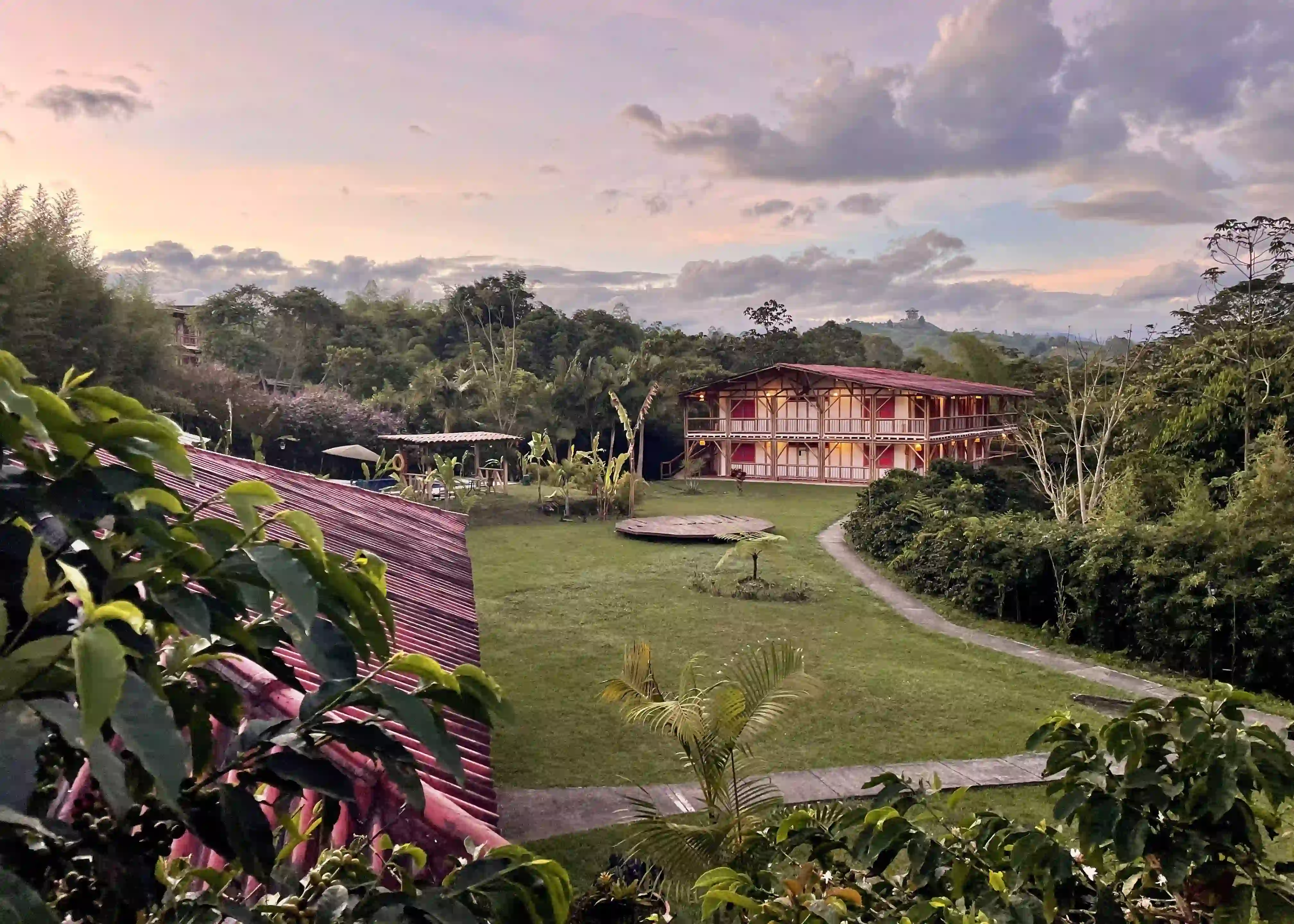
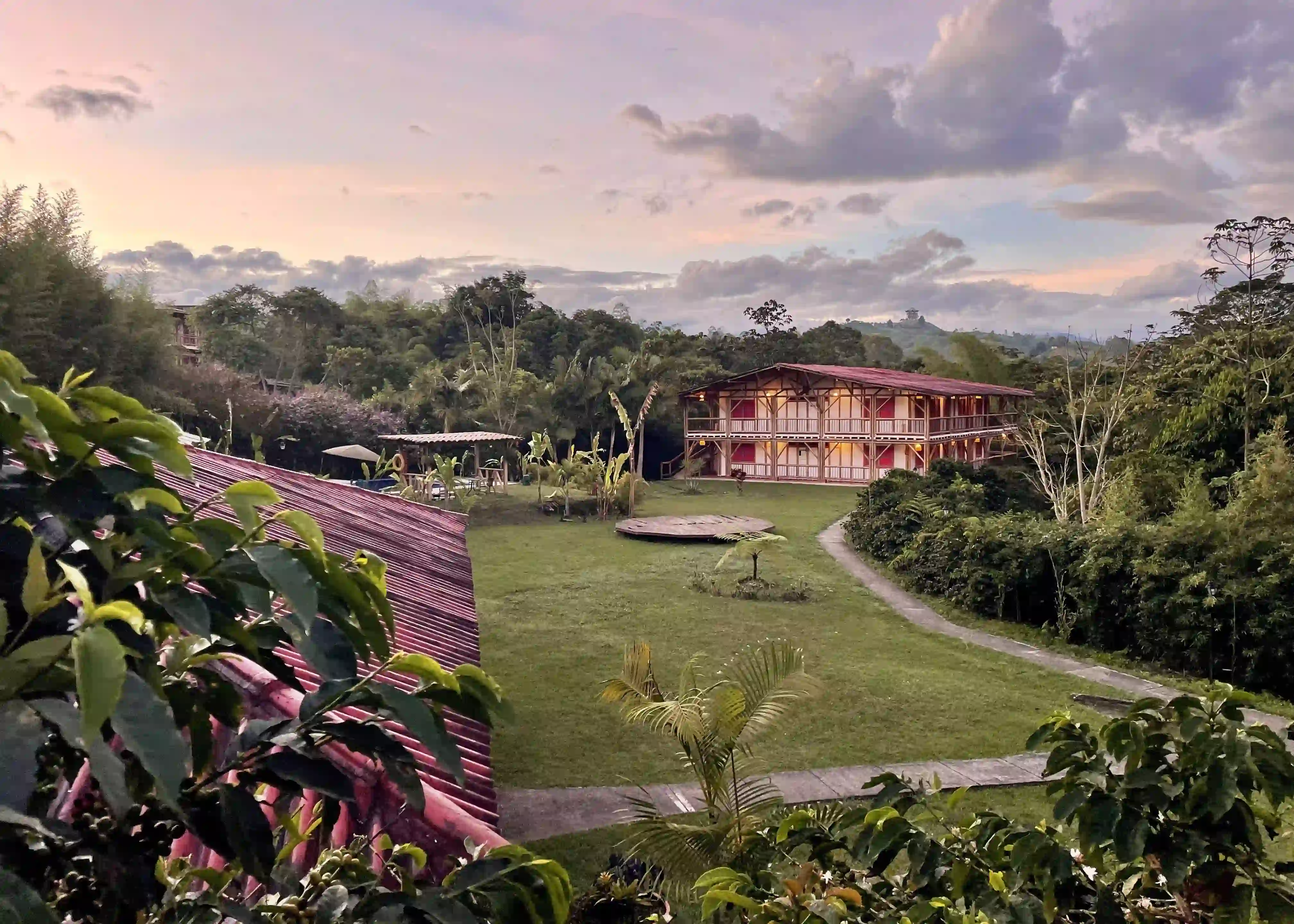
MuchoSur Filandia is a Nature Lodge celebrating the beauty and biodiversity of the UNESCO-listed Coffee Cultural Landscape. Just minutes from the colorful town of Filandia, its 19 rooms blend traditional coffee-growing architecture with nature and culture. Gardens with ecological trails, a pool nestled among native trees, a Southern-inspired restaurant, and a coworking space that opens onto the landscape — all immersed in nature and connected to the Barbas Bremen Nature Reserve, home to more than 50 species of birds.
Ready to discover Filandia, Quindío?
Book directly with MuchoSur Filandia and get up to 35% off with DelSur Rewards. No middlemen — just the team that truly lives Filandia, Quindío.
Check availabilityFrequently Asked Questions About Filandia, Colombia
Is Filandia, Colombia safe for tourists?
Yes. Filandia and the broader Coffee Region (Eje Cafetero) are consistently considered among the safest destinations in Colombia for international visitors. It's a small, community-oriented town where tourism is warmly welcomed. The usual travel precautions apply — keep an eye on your belongings, avoid poorly lit areas at night, follow local advice — but the overall atmosphere is relaxed and friendly. For a detailed, honest breakdown, see our guide Is Colombia Safe to Travel?
How far is Filandia from Salento?
Filandia and Salento are approximately 40–50 km apart by road, which translates to roughly 45 minutes to 1 hour by car or private transfer depending on the route. It's entirely feasible to visit both towns on the same trip — many travelers based at MuchoSur Filandia do a day trip to Salento and the Cocora Valley before returning to the quieter pace of Filandia for the evening.
What is the best time of year to visit Filandia?
Filandia's spring-like climate (18–22 °C / 64–72 °F) makes it pleasant year-round. The two main dry seasons — December to February and June to July — offer the most reliable sunshine for outdoor activities. June and July are particularly recommended for international visitors who want good weather without peak-season crowds. The rainy seasons (March–May and September–November) bring lower rates, lush green landscapes, and a more local atmosphere.
Do people speak English in Filandia?
English is not widely spoken in Filandia's town center — this is part of what keeps the destination feeling genuinely local. Most interactions in shops, cafés, and the main square will be in Spanish. A few basic Spanish phrases (greetings, numbers, food orders) go a long way and are always warmly received. At MuchoSur Filandia, the hotel team is fully equipped to assist English-speaking guests, from arrival logistics to booking experiences and day trips.
What makes Filandia different from Salento?
Both towns are beautiful and rooted in Colombia's coffee heritage, but they offer distinct experiences. Salento is the Coffee Region's most famous village — vibrant, social, and a natural base for the Cocora Valley trek. Filandia is quieter, less internationally known, and more deeply connected to its local identity: its artisan traditions, its Barbas Bremen nature reserve, and an atmosphere where time genuinely moves differently — slower, more human. For conscious travelers who want to go beyond the postcard, Filandia is the deeper choice.
How many days do I need in Filandia?
Two full days is the minimum to experience Filandia properly — one for the town itself (Mirador, Calle Real, artisan cafés) and one for a nature or coffee experience. Three days allows you to combine Filandia with a day trip to Salento or the Cocora Valley without feeling rushed. Many guests at MuchoSur Filandia find they extend their stay once they settle into the pace of the South.